
Modern SaaS and mobile engineering teams deploying code multiple times a day can no longer wait for traditional waterfall translation handoffs. Continuous localization integrates TMS platforms directly with Git repositories to automate string extraction and delivery.
Why Waterfall Localization Fails in Agile Software Development
In traditional software engineering, localization was historically scheduled during a 'string freeze' just days before a major version release. Engineers exported resource files—such as JSON, XLIFF, Android XML, or iOS `.strings`—emailed spreadsheets to translation vendors, and manually re-imported translated files. In modern Agile and DevOps environments where features are shipped continuously via CI/CD pipelines, manual file handoffs create engineering bottlenecks, broken builds from corrupted placeholders, and delayed international product launches.
Automating Resource File Sync with Git Connectors and Webhooks
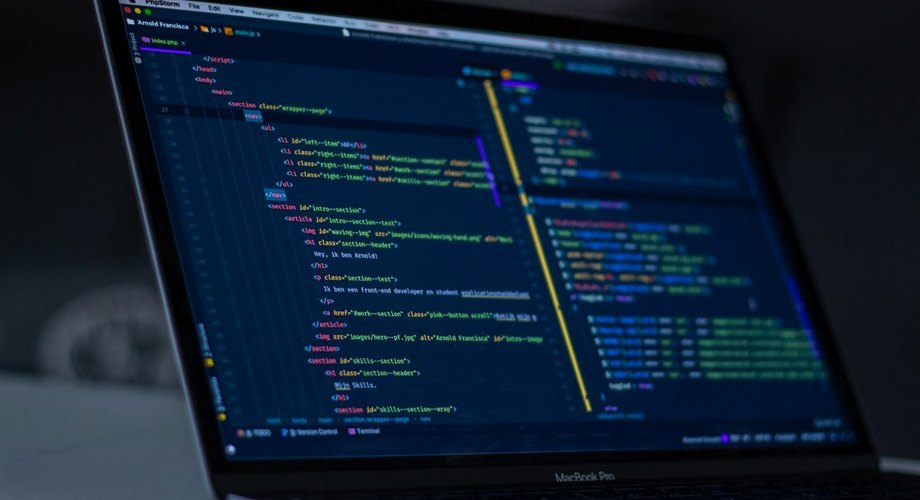
Continuous localization resolves this friction by connecting the Translation Management System (TMS) directly to GitHub, GitLab, or Bitbucket repositories via webhooks and CLI tools. Whenever a developer merges a pull request containing new UI strings into the main branch, the TMS automatically detects the delta, assigns the strings to linguists with automated screenshot context and Translation Memory pre-translation, runs automated QA checks on tags and variables (such as `%s` or `{count}`), and pushes completed translations back as a branch merge.
Executive Takeaways for Global Enterprises
- Key Insight: Git-integrated TMS connectors eliminate manual file exports and keep multilingual UI strings synchronized with agile sprints.
- Key Insight: Visual context (automated UI screenshots and character-length limits) reduces linguistic queries and prevents text truncation.
- Key Insight: Automated QA checks validate code placeholders, ICU MessageFormat syntax, and HTML tags before translations are merged into production.
Redaktioneller Hinweis & Qualitätssicherung: Dieser Fachartikel wurde von der Redaktions- und Sprachforschungsabteilung von Alphatrad Worldwide Ltd in Übereinstimmung mit den internationalen Qualitätsnormen ISO 17100 und ISO 18587 verfasst.
Redaktionelle Referenz: Alphatrad Worldwide Ltd — Sprachforschung & Qualitätssicherung
Benötigen Sie zertifizierte mehrsprachige Fachübersetzungen, beglaubigte Urkundenübersetzungen oder ISO-konforme Lokalisierung für Ihre internationalen Projekte? Fordern Sie ein kostenloses maßgeschneidertes Angebot von Alphatrad an und erhalten Sie innerhalb von 24 Stunden einen detaillierten Ablaufplan.