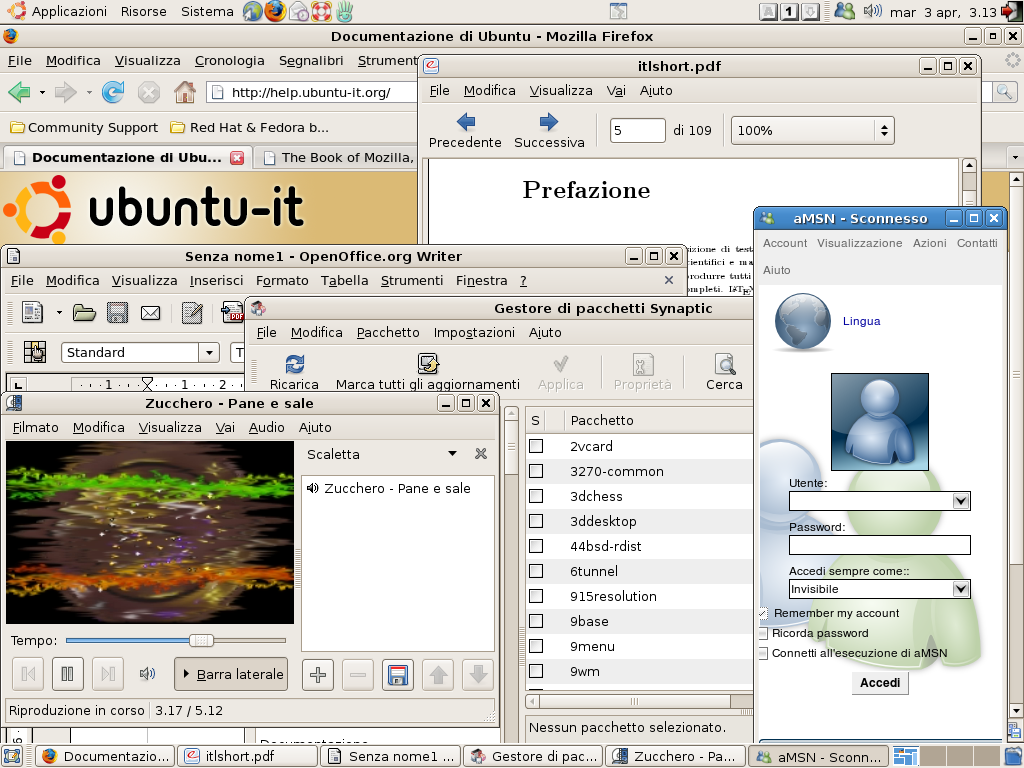
Internationalization and localization are the processes of adapting a product, designed and engineered for a specific market or environment, to other markets or environments, especially foreign nations and cultures. The products subject to these workflows range from enterprise software packages and mobile applications to technical user guides, medical documentation, and global marketing portals.
Scope and Fields of Application
While internationalization is conducted during product architecture to decouple code from locale-specific assets, localization adapts the content to the target language and culture. Key application domains include:
- Text & Encodings: Unicode support, bi-directional text (RTL/LTR), locale font rendering, and layout expansion margins.
- Date, Time & Numbers: Locale calendar handling, time zones, currency formats, and metric/imperial systems.
- Visual Assets: Cultural appropriateness of iconography, symbols, colors, and graphics.
- UI String Expansion: Handling dialog box limits, preventing button and menu string clipping.
Software Localization in Action
In software localization, string expansion can reach up to 30–40% when translating from English to Romance or Germanic languages. Specialized in-context QA and linguistic validation ensure all elements display cleanly without truncation.