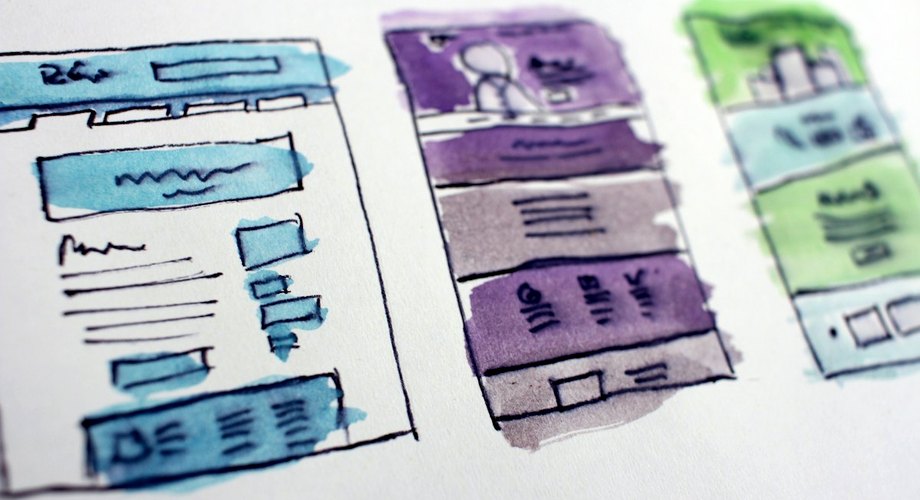
Design Stage Localization Figma Pseudo-Localization – UX/UI & SOFTWARE I18N

Design-Stage Localization: Shifting Left with Figma Plugins and Pseudo-Localization

Fixing truncated buttons and overflowing UI layouts after code is written costs up to 10x more than catching them during design. Integrating localization directly into Figma allows product teams to preview German, Arabic, and Italian layouts before engineering begins.

Why UI Layout Bugs Originate in English-Centric Wireframes

Product designers typically craft mobile and web interfaces using concise English copy such as ‘Save’, ‘Buy’, or ‘View’. When those strings are localized into German (*Speichern*, *Kaufen*, *Anzeigen*) or Italian (*Salva*, *Acquista*, *Visualizza*) late in the development cycle, text expansion of 30% to 50% frequently overflows fixed-width containers, wraps awkwardly across lines, or obscures icons. Discovering these layout defects during post-build QA forces costly engineering rework.

Design Stage Localization Figma Pseudo-Localization – UX/UI & SOFTWARE I18N
UX/UI & SOFTWARE I18N — Professional Localization & Regulatory Quality Assurance (February 22, 2022)

Integrating TMS Connectors and Pseudo-Localization in Figma

By ‘shifting left’—moving localization upstream into the UX/UI design phase—designers use native Figma TMS plugins to push artboard strings directly to translators or apply automated pseudo-localization (replacing characters with accented glyphs and padding string length by 35%). Designers immediately spot inflexible containers, while translators gain live visual context of every screen prior to a single line of frontend code being committed.

Executive Takeaways for Global Enterprises

  • Key Insight: Shifting localization left into the Figma design phase eliminates up to 80% of downstream UI layout and truncation bugs.
  • Key Insight: Pseudo-localization simulates 30%–40% text expansion and non-ASCII character rendering during wireframe review.
  • Key Insight: Giving linguists visual artboard context during translation dramatically improves UI terminology accuracy.

¿Necesita traducciones multilingües certificadas, traducciones juradas o localización conforme a las normas ISO para sus proyectos internacionales? Solicite un presupuesto gratuito personalizado a Alphatrad y reciba una respuesta detallada en 24 horas.


Editorial & Copyright Attribution Note: This industry analysis has been independently synthesized and adapted by Alphatrad’s editorial team based on verified regulatory documentation and industry research originally published by Phrase Blog. For the original publication and primary documentation, please consult:
Source: https://phrase.com/blog/posts/design-stage-localization/


UNESCO Decade of Indigenous Languages – CULTURE & LINGUISTICS

UNESCO Launches the International Decade of Indigenous Languages (2022–2032)

With over 40% of the world’s estimated 7,000 languages at risk of disappearance, UNESCO’s International Decade of Indigenous Languages (2022–2032) mobilizes linguists, governments, and AI researchers to preserve linguistic biodiversity.

The Global Action Plan of the Los Pinos Declaration

In February 2022, UNESCO officially inaugurated the International Decade of Indigenous Languages (2022–2032), proclaimed by the United Nations General Assembly (Resolution A/RES/74/135). Guided by the Global Action Plan and the Los Pinos Declaration (‘Nothing for us without us’), the ten-year initiative addresses the urgent crisis facing human linguistic heritage: of the roughly 7,000 languages spoken globally today, UNESCO estimates that nearly half are endangered due to urbanization, lack of institutional schooling, and digital exclusion.

UNESCO Decade of Indigenous Languages – CULTURE & LINGUISTICS
CULTURE & LINGUISTICS — Professional Localization & Regulatory Quality Assurance (February 08, 2022)

Digital Inclusion, Unicode Standardization, and Corpus Creation

A central pillar of the 2022–2032 Decade is digital empowerment. Language technologists, computational linguists, and the Unicode Consortium’s Script Encoding Initiative are collaborating with indigenous communities to encode scripts, build predictive mobile keyboards, record oral audio archives, and develop open-source bilingual corpora. Preserving low-resource languages ensures that public health information, legal rights, and educational materials remain accessible to indigenous speakers worldwide.

Executive Takeaways for Global Enterprises

  • Key Insight: UNESCO’s International Decade of Indigenous Languages (2022–2032) aims to protect endangered languages across all continents.
  • Key Insight: Digital encoding (Unicode), mobile keyboard support, and community-owned speech corpora are vital for language survival.
  • Key Insight: Access to healthcare, education, and justice in a speaker’s mother tongue is recognized as a fundamental human right.

¿Necesita traducciones multilingües certificadas, traducciones juradas o localización conforme a las normas ISO para sus proyectos internacionales? Solicite un presupuesto gratuito personalizado a Alphatrad y reciba una respuesta detallada en 24 horas.


Editorial & Copyright Attribution Note: This industry analysis has been independently synthesized and adapted by Alphatrad’s editorial team based on verified regulatory documentation and industry research originally published by UNESCO. For the original publication and primary documentation, please consult:
Source: https://www.unesco.org/en/decades/indigenous-languages

Enterprise Localization Orchestration 2022 – ENTERPRISE STRATEGY

Enterprise Localization Orchestration: Key Technology Priorities for Global Brands in 2022

As global enterprises scale digital touchpoints in 2022, localization leaders are shifting from manual project management to automated content orchestration—connecting CMS, PIM, and design tools directly to centralized language platforms.

Eliminating Silos Between Content Creation and Localization

Entering 2022, multinational organizations manage content across dozens of disconnected repositories: headless Content Management Systems (Contentful, Adobe Experience Manager, WordPress), Product Information Management (PIM) platforms (Akeneo, Salsify), customer support desks (Zendesk, Salesforce Service Cloud), and UI design environments (Figma). Managing localization through manual file exports across these systems creates version drift and delays international product launches.

Enterprise Localization Orchestration 2022 – ENTERPRISE STRATEGY
ENTERPRISE STRATEGY — Professional Localization & Regulatory Quality Assurance (January 25, 2022)

API-First Localization and Automated Quality Routing

Modern localization orchestration replaces manual handoffs with API-first middleware and native TMS connectors. Content is routed automatically based on visibility and risk profile: high-visibility marketing campaigns and legal terms are directed to specialist human transcreators and legal revisers, while high-volume product catalog attributes and user help-center articles leverage domain-trained Neural Machine Translation with human post-editing (MTPE) and automated terminology verification.

Executive Takeaways for Global Enterprises

  • Key Insight: Connecting headless CMS, PIM, and design systems directly to TMS platforms eliminates manual copy-paste errors.
  • Key Insight: Risk-tiered content routing matches translation methodology (transcreation, TEP, or MTPE) to business impact.
  • Key Insight: Real-time analytics dashboards give procurement teams full visibility into turnaround times, TM savings, and vendor KPIs.

¿Necesita traducciones multilingües certificadas, traducciones juradas o localización conforme a las normas ISO para sus proyectos internacionales? Solicite un presupuesto gratuito personalizado a Alphatrad y reciba una respuesta detallada en 24 horas.


Editorial & Copyright Attribution Note: This industry analysis has been independently synthesized and adapted by Alphatrad’s editorial team based on verified regulatory documentation and industry research originally published by Nimdzi Insights. For the original publication and primary documentation, please consult:
Source: https://www.nimdzi.com/